
Exploring Shell Gasoline Signs: A Piece of Americana
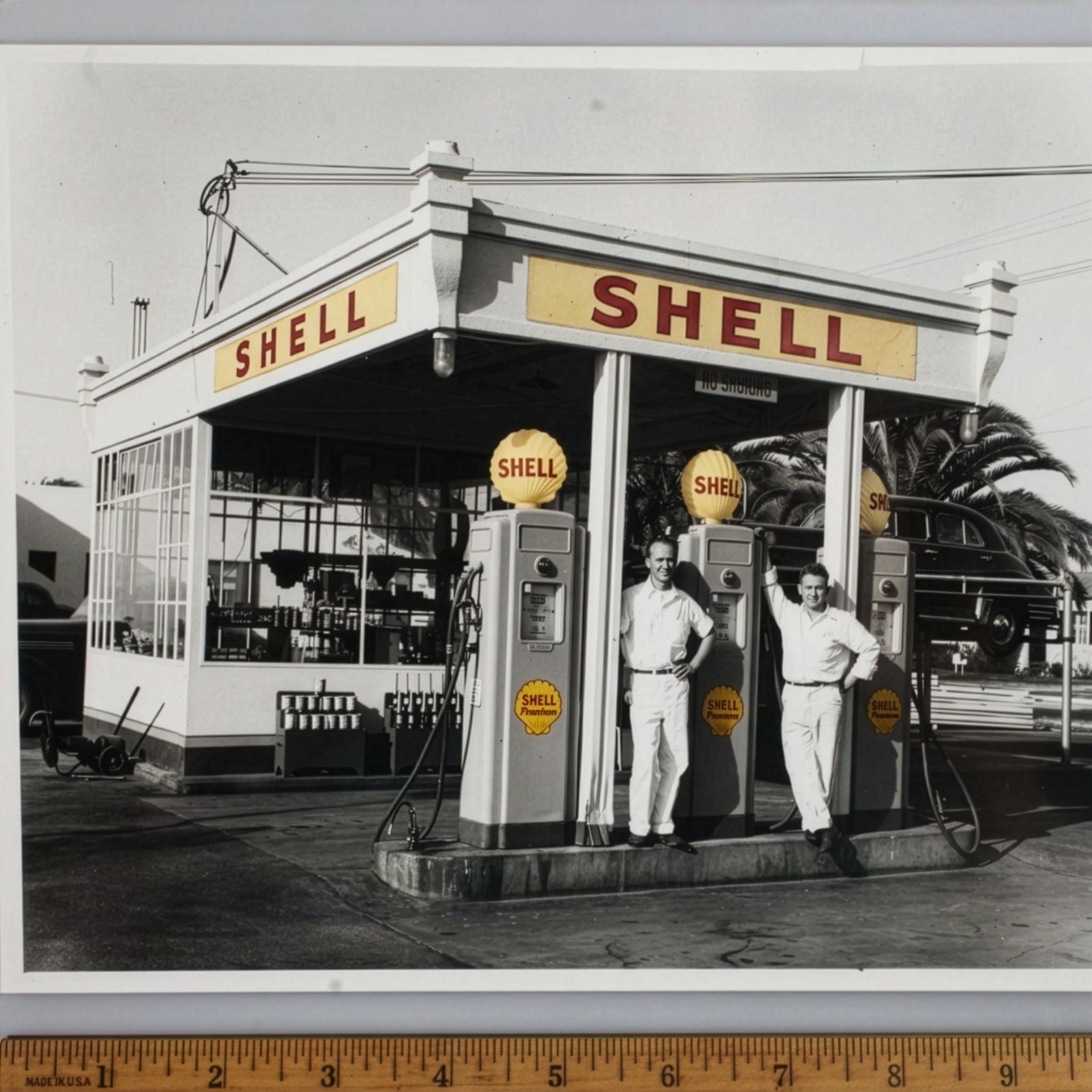
Few images capture the golden age of the American road quite like a bright yellow-and-red Shell Gasoline porcelain sign. Whether it’s a die-cut scallop shell hanging outside a service station, a pump plate bolted to a vintage dispenser, or a glowing neon version lighting up the night, these signs remain some of the most recognizable and collectible pieces of petroliana. For collectors, restorers, and anyone who loves classic roadside Americana, Shell Gasoline signs represent both corporate history and the craftsmanship of an era when advertising was built to last for decades outdoors.
A Brief History of Shell

The Shell story begins not with oil, but with seashells. In the 19th century, Marcus Samuel senior ran a London antiques and curios business that imported decorative shells from the Far East. His sons later expanded into shipping kerosene to Asia and chose “Shell” as the brand name for the product, a nod to the family’s earlier trade. In 1897 they formalized the business as The “Shell” Transport and Trading Company.
In 1907 the company merged with the Royal Dutch Petroleum Company, creating the Royal Dutch/Shell Group. The Shell name and emblem quickly became the public face of the combined enterprise. As automobiles proliferated in the early 20th century, Shell expanded rapidly into gasoline marketing and service stations, especially in the United States. The brand’s bold red-and-yellow colors and distinctive shell logo became fixtures along highways and main streets.
What Is Shell’s Oldest Logo?
Shell’s oldest logo is a black-and-white mussel shell, trademarked around 1900. It was a relatively simple, somewhat naïve drawing that reflected the company’s trading origins. By 1904 the company switched to a more graphic scallop shell (the pecten). This change gave the mark stronger visual impact and better suitability for packaging, vehicles, and signage. The scallop form has remained the core of the identity ever since, refined many times over the decades.
What Were the Old Shell Gasoline Signs Made Of?
Authentic vintage Shell Gasoline signs from the classic era were primarily porcelain enamel on steel. Manufacturers applied layers of powdered colored glass (enamel) to heavy-gauge steel sheets, then fired them in kilns at high temperatures. The result was a hard, glossy, weather-resistant finish that could withstand years of sun, rain, and road dirt while keeping its vibrant colors. This process produced the durable outdoor signs collectors prize today. Many earlier and smaller pieces were single- or double-sided porcelain; larger station signs and some neon-backed versions combined porcelain faces with metal housings or illuminated elements.
When Was Shell Making Porcelain Signs?
The peak period for Shell porcelain enamel gasoline signs was roughly the 1930s through the 1950s, extending into the early 1960s in some markets. This was the golden age of American service-station architecture and roadside advertising. Oil companies invested heavily in durable, eye-catching signage as car ownership exploded and highways expanded. Porcelain was ideal because it held color and resisted fading better than painted metal.
By the late 1940s and 1950s, plastics and internally illuminated signs began appearing. Shell experimented early with plastic. Porcelain production continued for some applications, but the shift toward lighter, cheaper materials accelerated in the 1960s and 1970s. The most sought-after Shell porcelain pieces generally date from the pre-plastic decades.
What Was Shell’s Logo in the 1970s?
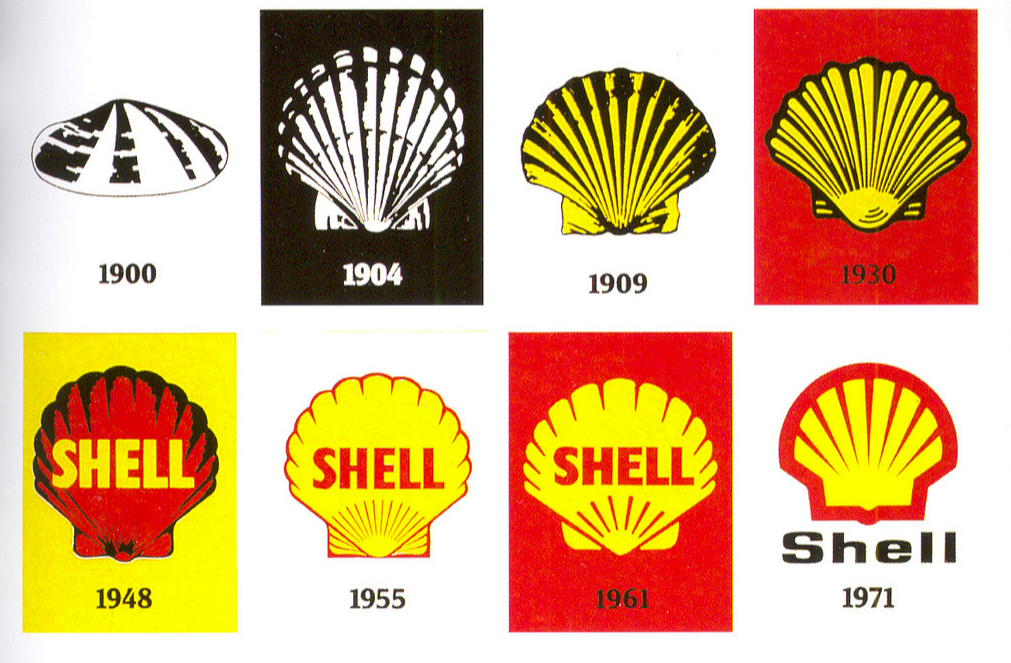
In 1971, legendary industrial designer Raymond Loewy created the streamlined modern Pecten still familiar today. The design simplified the shell into a bold geometric form with a thick red outline surrounding a yellow field and fewer internal lines. The word “Shell” was typically placed below the emblem in a custom typeface rather than inside the shell. Minor color refinements followed in the 1990s (warmer reds and yellows), but the basic 1971 shape has endured. Signs from the late 1960s into the 1970s often show transitional or early versions of this cleaner logo.
What Does the Shell Gas Logo Symbolize?
The logo is a direct tribute to the company’s origins in the seashell trade. The scallop (pecten) was chosen for its strong graphic qualities and symmetry. The red-and-yellow color scheme has several proposed roots: the Spanish heritage of early California stations (where Shell expanded aggressively), maritime signal colors, and a desire to stand out against competitors such as Standard Oil’s blue. Over time the mark came to symbolize reliability, energy, quality fuel, and the optimism of the open road. Its simplicity and bold contrast made it instantly readable from a moving car—exactly what a gasoline brand needed.
What Are Shell Signs Worth? What Is the Value of Vintage Shell Gasoline Signs?
Values vary widely based on authenticity, condition, size, rarity, graphics, and whether the piece is a common pump plate or a scarce large station or neon sign.
- Common smaller pump plates and simpler designs in average condition often sell in the low hundreds to around $1,000–$2,000.
- Attractive mid-size porcelain signs in good-to-excellent condition frequently range from a few thousand dollars upward.
- Rare graphics, large double-sided pieces, die-cut shells, neon examples, or near-mint survivors can reach well into the five figures. Exceptional rarities have brought far more—one highly sought Shell Ethyl “Eight Ball” porcelain pump plate sold for $161,000 at auction. Large neon porcelain signs and rare early examples have also commanded tens of thousands of dollars.
Condition is critical: original gloss, minimal chipping, strong color, and intact mounting points dramatically increase value. Reproductions and modern decorative versions are far less expensive and should be clearly distinguished from authentic period pieces.
Where Can I Buy Vintage Shell Gasoline Signs?
Authentic examples appear at specialized petroliana and automobilia auctions, reputable antique dealers who focus on porcelain advertising, and established online marketplaces. A good place to find a lot of Shell Gasoline porcelain signs is here at vintageporcelainsigns.com. There’s also a good selection at the Roadside-Classics eBay store.
Whether you are hunting a classic pump plate for a restored gas pump, a large station sign for a garage or man cave or simply researching the history behind the iconic yellow-and-red shell, Shell Gasoline porcelain signs remain among the most evocative pieces of American commercial design. Their combination of bold branding, durable craftsmanship, and deep connection to the rise of the automobile ensures they will stay desirable for generations of collectors.
Start exploring Shell vintage porcelain signs and bring a piece of roadside history into your collection.